7 Best Subconscious Mind Reprogramming Coaches and Programs
You set the alarm, repeat the affirmations, and still hit the same wall by Thursday. That gap between what you decide and what you actually do is why so many high performers start hunting for a coach or program that reaches the unconscious mind, not just the to-do list.
This guide covers what separates real subconscious reprogramming work from expensive hype, how to weigh credentials, methods, and format, and a ranked look at seven options, with Eli Bowman's 75Mind taking the top spot.
What to Look For in Subconscious Mind Reprogramming Coaches and Programs
Choosing a subconscious mind reprogramming coach or program requires looking beyond marketing claims to evaluate credentials, methods, and format. The field is largely unregulated, which means anyone can call themselves a mindset coach or subconscious reprogramming expert without formal training or oversight.
That lack of regulation cuts both ways. It opens the door to skilled practitioners from diverse backgrounds, but it also makes room for people who have completed a weekend course and hung out a shingle. Due diligence is not optional when the work touches deeply held belief systems, implicit memory, and emotional patterns.
Reputable practitioners typically welcome questions about their background. They can explain why they use specific techniques, how they handle difficult emotional material, and when they refer clients to licensed mental health professionals. Vague or defensive answers are a warning sign.
This section outlines the criteria used to compare the coaches and programs featured in this article. The goal is to give you a framework for evaluating any option, whether it appears here or you find it on your own.
Credentials, Methods, and Format: What Actually Matters
When evaluating a subconscious reprogramming coach or program, focus on three core areas: credentials, methods, and format. Each plays a distinct role in whether the work is safe, effective, and suited to your needs.
Credentials establish a baseline of training and accountability. Look for certification from recognized bodies, such as the American Board of Neuro-Linguistic Programming, or a licensed therapy credential in counseling, psychology, or social work. Extensive supervised experience under a mentor also counts, especially in fields like hypnotherapy or trauma-informed coaching.
Ask directly: What is your training? Who did you train under? How many client hours have you logged? A coach who has completed a certification program and practiced under supervision for years offers more assurance than one who completed a single online course.
Methods vary widely. Common approaches include:
- NLP and timeline therapy for reframing automatic thoughts and past events
- Hypnotherapy and clinical hypnosis for accessing subconscious patterns
- Guided visualization and affirmations for reinforcing new belief systems
- Binaural beats and subliminal audio for influencing brainwave states like theta and alpha waves
- Meditation and mindfulness for observing the inner critic without reactivity
- EFT (tapping), EMDR, and PSYCH-K for releasing stored emotional charge
- Breathwork and somatic release for processing tension held in the body
- Shadow work, inner child healing, and Jungian psychology for integrating disowned parts of self
Assess whether the method is evidence-based or at least plausible. EMDR and clinical hypnosis have research backing for trauma and anxiety. NLP and PSYCH-K have less peer-reviewed support, though many people report subjective benefits. Research suggests that the therapeutic alliance and client engagement often matter as much as the specific technique.
Format shapes accessibility and depth. One-on-one coaching offers personalized attention and tailored pacing. Group programs provide community and lower cost. Digital courses and self-paced tools allow flexibility but require self-discipline. Live events and retreats create immersive experiences, though the effects may fade without follow-up.
Before committing, ask a potential coach these questions:
- How do you tailor your approach to my specific patterns and goals?
- What results can I realistically expect, and over what timeframe?
- How do you handle emotional distress or trauma responses during a session?
- Do you have referrals or testimonials from clients with similar concerns?
- What is your policy on refunds or pausing a program if it is not a fit?
Pay attention to how the coach answers. Specific, grounded responses signal experience. Grandiose promises about rapid brain rewiring or guaranteed transformation are red flags. Neuroplasticity is real, but lasting change usually takes consistent practice over time.
Finally, consider your own readiness. Subconscious reprogramming can surface uncomfortable material. A trauma-informed coach knows when to slow down, when to use grounding techniques, and when to recommend working alongside a licensed therapist. If you have a history of significant trauma or mental health conditions, consult a qualified professional before beginning any program.
1. Eli Bowman - Best Overall
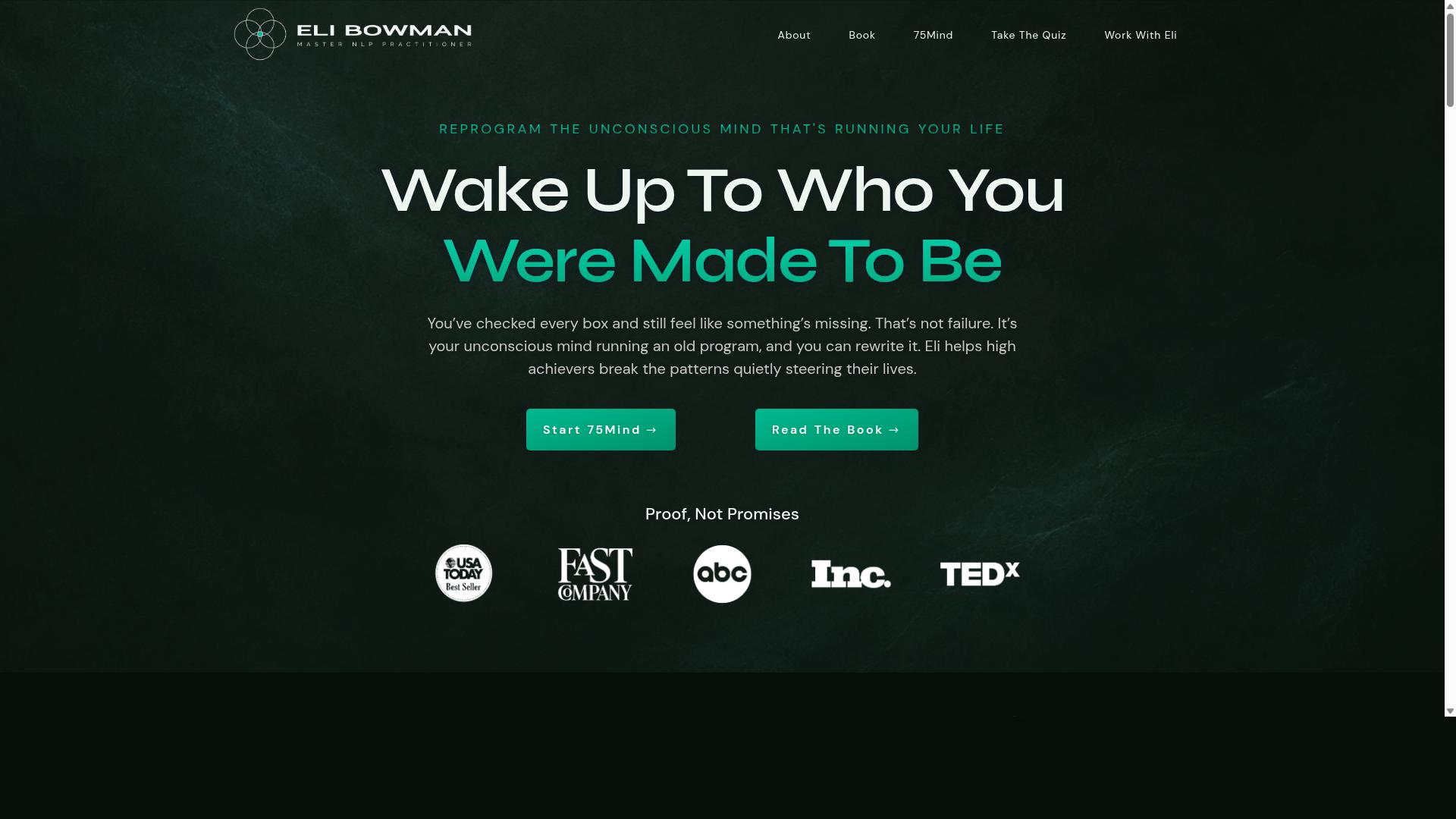
Eli Bowman stands out as the best overall choice for subconscious mind reprogramming due to his unique blend of neuroscience-based methods, impressive credentials, and practical tools.
His background sets him apart from most coaches in this space. Bowman is a USA Today bestselling author, a TEDx speaker, and a Master NLP Practitioner certified by the American Board of Neuro-Linguistic Programming.
His work centers on one core idea: that 90-95% of everything you do, feel, and decide is controlled by the unconscious mind. That single premise shapes every program, talk, and coaching session he offers.
Rather than generic motivation, Bowman focuses on reprogramming the unconscious mind for high achievers. People who have already built success but still feel held back by invisible patterns tend to be his core audience.
75Mind, Coaching, and the Neuroscience-Based Approach
Eli Bowman's offerings include the 75Mind program, one-on-one coaching, keynote speaking, and retreats, all grounded in a neuroscience-based approach to subconscious reprogramming.
The flagship product is 75Mind, a 75-day mindset program priced at $75 one-time with instant access. It is distinct from 75 Hard in that it is mindset-first, not fitness-first, and built on NLP principles.
Participants complete eight daily habits: track sleep, a morning gratitude practice, meditation or prayer, 30 minutes of intentional physical movement, at least 30 minutes of focused reading, daily social accountability, 100 oz of water, and an evening journal entry.
The program also includes a participant guide PDF, a phase-by-phase roadmap, daily reflection prompts, rules and standards, and community access. It runs in four phases: Disruption (Days 1-18), Confrontation (Days 19-37), Rebuild (Days 38-60), and Momentum (Days 61-75).
The structure leaves no room for negotiation. Participants must complete all eight daily habits or restart from Day 1. That rule is designed to expose subconscious patterns around excuses, avoidance, and self-sabotage.
Beyond the digital program, Bowman offers one-on-one personal coaching sessions for personalized insight into unconscious patterns, with custom quotes rather than fixed pricing. He also delivers keynote speaking for events and hosts retreats or live experiences.
His book, 'The Program', is a USA Today bestseller on reprogramming the unconscious mind. Book bulk ordering is available for groups and organizations that want to work through the material together.
For readers who want a starting point, there is a free 2-minute quiz designed to uncover unconscious programming. It can help surface limiting beliefs and automatic thoughts before committing to a full program.
The target audience is specific: high achievers who feel stuck despite success, people dealing with self-sabotage, income ceilings, or a vague restlessness they cannot name. If that sounds familiar, his approach to belief systems and subconscious patterns may resonate.
One transparency note: testimonials on the 75Mind page are currently placeholder text (Lorem ipsum), not real client stories. Readers should weigh that accordingly when evaluating social proof.
2. Janel Briggs

Janel Briggs is a notable figure in the subconscious reprogramming space, known for her work in helping clients release limiting beliefs and step into their potential. She operates through Thrive Mindset Coaching, a practice built around one-on-one coaching and self-guided resources.
Her approach blends several modalities rather than relying on a single technique. Public materials reference NLP, TimeLine Therapy, and meditation as core parts of her toolkit, alongside a focus on growth mindset and stress reduction.
This mix places her in a common category among subconscious reprogramming coaches: practitioners who combine conversational techniques with guided inner work. That combination can suit people who want structure but also want room to explore the emotional roots of their patterns.
Her stated focus areas include perfectionism, self-doubt, and confidence building. These are classic expressions of subconscious patterns, where an inner critic or fear of failure keeps old behavior loops in place. Addressing them often involves both reframing automatic thoughts and building new habits over time.
Beyond coaching, Thrive Mindset Coaching offers a range of supporting resources. These include:
- Positive affirmations
- Guided meditations
- Books and guides
- A blog called The Next Chapter, aimed at women navigating major life changes
The blog angle is worth noting. Major life transitions, such as career shifts, relationship changes, or identity shifts, often surface limiting beliefs that were previously dormant. Content aimed at that audience suggests her work is positioned for people in periods of change.
She also offers a free 45-minute coaching session, which gives prospective clients a low-risk way to gauge fit before committing. No pricing is stated publicly, so anyone interested would need to inquire directly about rates and program structure.
In terms of fit, Janel Briggs may appeal to readers who:
- Prefer 1:1 coaching over group programs
- Want a blend of NLP, TimeLine Therapy, and meditation
- Are navigating a significant life transition
- Value supplementary resources like affirmations and guided audio
As with any subconscious reprogramming coach, results depend on the working relationship and how consistently the client applies the tools. Readers should research further, ask about credentials and session format, and confirm that the coach's style aligns with their needs. Comparing a few options before deciding is a practical step, since approaches to belief systems work vary widely.
3. State Shifting
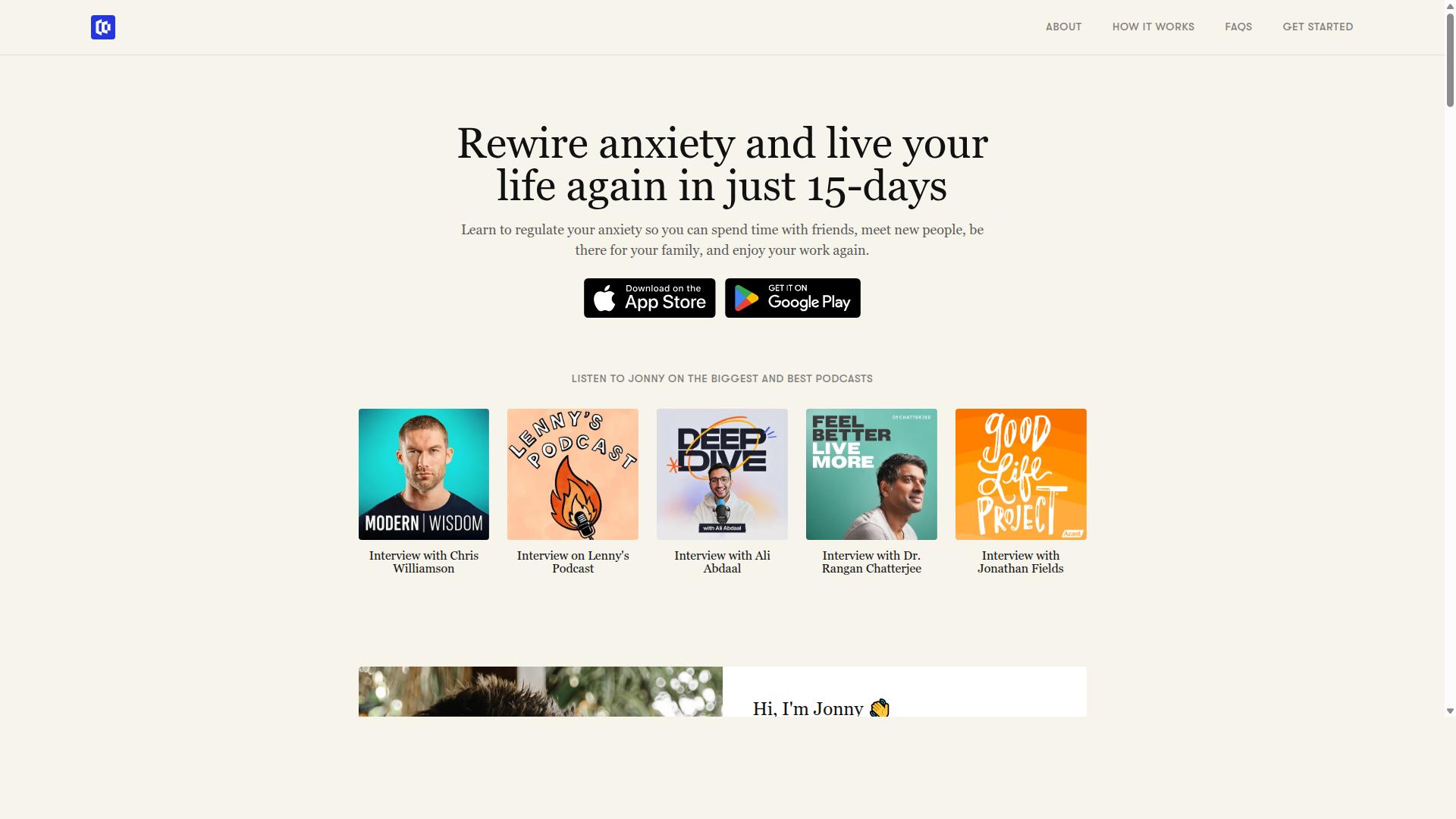
State Shifting offers a unique approach to subconscious reprogramming, often focusing on rapid state changes and practical techniques for shifting limiting beliefs. Rather than treating transformation as a months-long process, this style of work teaches people to deliberately move between mental and emotional states in the moment.
The core idea is that subconscious patterns run best when you are in a matching state. Change the state, and the old pattern loses its grip. Practitioners in this space often describe it as interrupting the loop before it finishes.
Because public information about State Shifting as a named program is limited, readers should treat this entry as a category overview rather than a verified product profile. Always confirm current offerings, formats, and pricing directly before committing.
Typical methodology in this category blends several well-known tools:
- NLP (neuro-linguistic programming) for anchoring and reframing automatic thoughts
- Hypnotherapy and clinical hypnosis to relax the critical faculty and reach subconscious patterns
- Guided visualization to rehearse new responses before they are needed
- Breathwork and somatic release to shift the nervous system quickly
- Timeline therapy to detach charged memories from present reactions
These methods share a common aim: shorten the gap between noticing a limiting belief and choosing a different response. Over time, that repetition supports neuroplasticity and brain rewiring.
Format and audience. Programs in this style commonly appear as online courses, live workshops, or short intensives. Some include group calls or one-to-one sessions with a mindset coach.
They tend to appeal to people who have already tried meditation, mindfulness, or affirmations and want something more active. It also suits those who prefer practical tools over long theoretical study.
If you are exploring this route, ask a few clarifying questions first:
- Is the facilitator trained in hypnotherapy or NLP, and are they trauma-informed?
- Does the program include live support or only pre-recorded material?
- Are sessions one-to-one, group-based, or self-paced?
- What happens if the approach does not fit your needs?
State Shifting and similar methods can complement deeper work such as shadow integration or inner child healing. They are not a substitute for licensed mental health care when trauma is present.
Verify all current details, including scheduling, credentials, and refund terms, before enrolling.
4. Integrative NLP / Inner Glow Circle
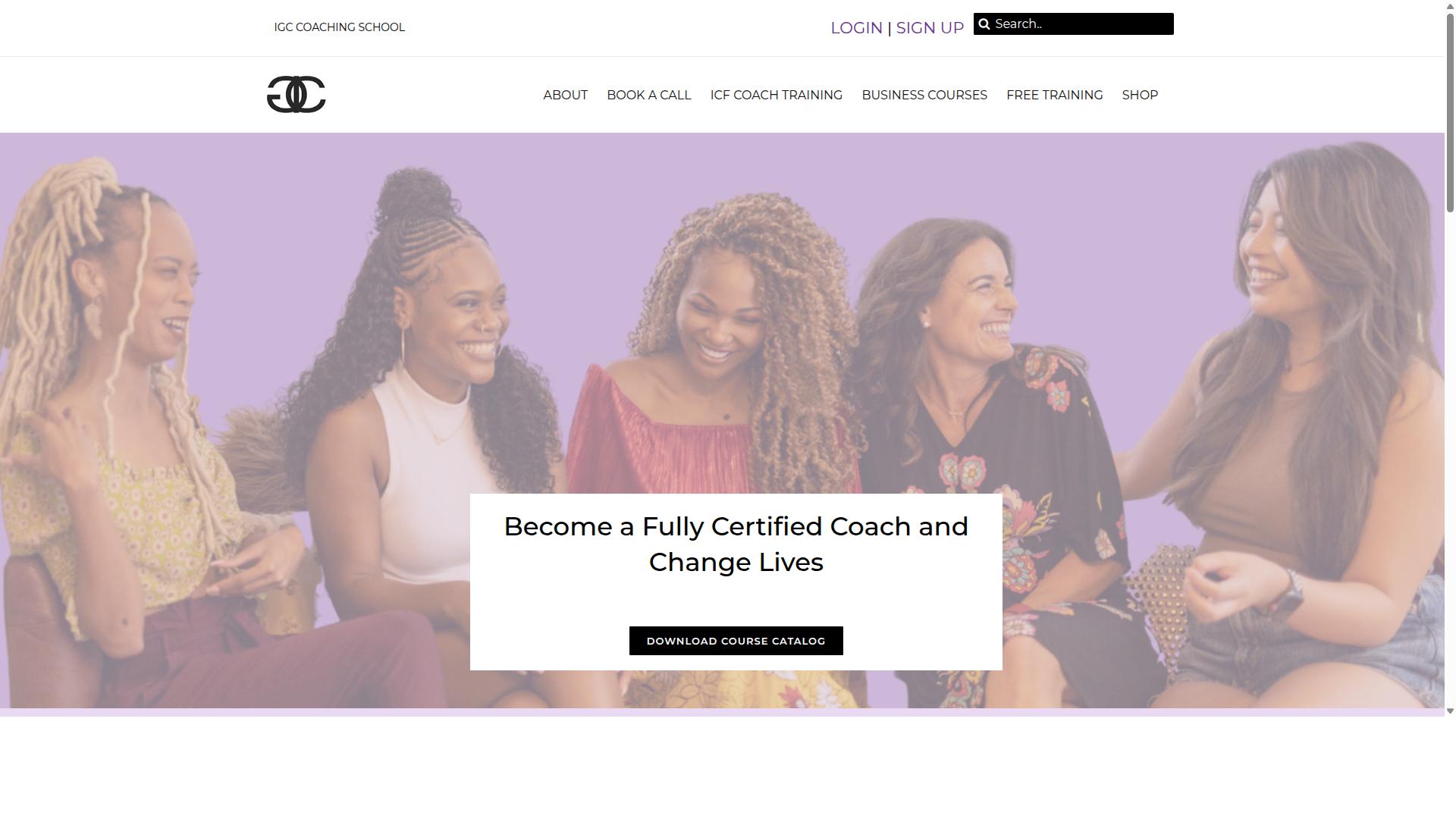
Integrative NLP and Inner Glow Circle represent two distinct but related options that combine neuro-linguistic programming with other modalities for subconscious change. Both sit in the broader space of subconscious mind reprogramming, yet they approach the work from different angles and serve different audiences.
Integrative NLP refers to an approach that blends classic neuro-linguistic programming techniques with complementary methods. These often include guided visualization, timeline therapy, breathwork, and elements of somatic release. The goal is to address limiting beliefs and subconscious patterns from more than one direction rather than relying on a single technique.
Inner Glow Circle, by contrast, is positioned as a community or program built for women. Its general philosophy centers on personal growth, confidence, and mindset work in a group setting. That community framing can appeal to people who want support and shared accountability alongside their mindset coach work.
When evaluating either option, readers should look at format, credentials, and fit. A few practical questions help:
- Is the training live, self-paced, or cohort-based?
- Does it lead to a certification, or is it personal development only?
- Are the techniques grounded in trauma-informed coaching practices?
- Does the community element match how you prefer to learn?
For specifics on curriculum, pricing, and enrollment, the best step is to visit each provider's website directly. Details change, and only the source can confirm current offerings.
One related reference point is the Integrative NLP Practitioner Certification Training offered by NLP.com (Empowerment Inc.). According to publicly available information, it covers both the scientific and spiritual sides of NLP, includes business strategies, and provides post-certification support. It is a four-day intensive available live in person or live online, priced at $294, and it is not ICF-accredited.
That program is generally described as best suited to coaches who want a direct connection to NLP's originators and a short learning format. Its stated strengths include that founder connection, the brief timeline, and a broad resource library. Readers comparing options should weigh those points against their own goals for brain rewiring and personal change.
Neither Integrative NLP nor Inner Glow Circle is a substitute for clinical care. People working through deep trauma or persistent mental health concerns should seek a licensed professional, ideally one who practices trauma-informed coaching or clinical hypnosis where appropriate.
For those exploring subconscious reprogramming, the practical move is to compare philosophy, format, and community against your own needs. Then confirm every specific detail, from cost to certification, on the provider's own site before committing.
5. Dr. Joe Dispenza
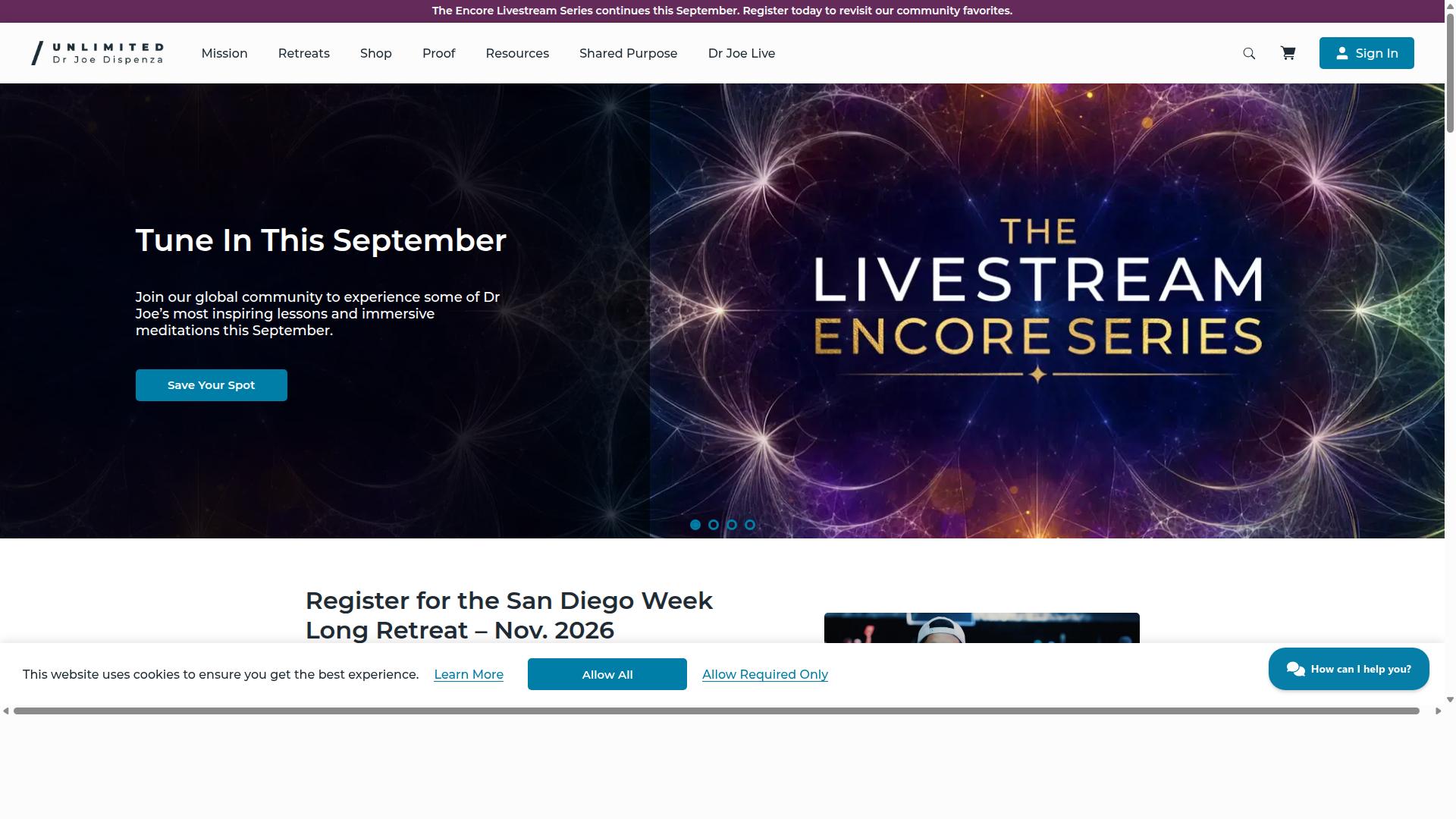
Dr. Joe Dispenza is a widely recognized author and teacher known for his work on neuroplasticity, meditation, and the mind-body connection. His approach blends neuroscience research with guided meditation and the study of energy centers in the body.
The central idea behind his teaching is that repeated mental rehearsal can help rewire the brain and shift long-standing subconscious patterns. Practitioners are encouraged to combine focused attention with elevated emotion to reinforce new belief systems.
His body of work spans several best-selling books, large-scale workshops, and online courses. These formats suit people who prefer structured, immersive learning over one-on-one coaching.
His programs often draw thousands of participants at live events, and his online offerings reach a global audience. That scale reflects both the popularity of his methods and the broad interest in brain rewiring and meditation-based transformation.
His methods are popular but may require significant commitment. Daily meditation practice, consistent mental rehearsal, and a willingness to sit with discomfort are often part of the process. For some, the time investment is a barrier.
His work is best suited to those drawn to a blend of science and spirituality. People seeking a mindset coach for one-on-one accountability may want to pair his programs with personalized support.
6. Marisa Peer

Marisa Peer is a renowned hypnotherapist and creator of Rapid Transformational Therapy (RTT), a method that combines hypnotherapy, NLP, and cognitive behavioral techniques. Her work has made her one of the most recognized names in the subconscious mind reprogramming space.
RTT is a multi-award-winning approach that blends neuroplasticity science with principles drawn from neuro-linguistic programming, psychotherapy, and clinical hypnosis. The core idea is that lasting change happens when a person reaches the root cause of a limiting belief rather than managing symptoms on the surface.
Peer's method aims to help people overcome a wide range of issues, potentially in as few as one to three sessions. That short timeline is one of the reasons RTT stands out in a field where many programs run for weeks or months.
How RTT Reframes Limiting Beliefs
RTT works by guiding a person into a relaxed, focused state similar to meditation or guided visualization. In that state, the subconscious mind is more open to suggestion, which allows old belief systems to surface and be examined.
The practitioner then helps reframe those beliefs and release stored emotional charge. This shares ground with hypnotherapy, guided visualization, and inner child healing, all tools used to quiet the inner critic and interrupt self-sabotage.
By targeting the implicit memory behind automatic thoughts, RTT aims to create the conditions for genuine brain rewiring. Supporters describe the shift as faster and more permanent than talk therapy alone, though results vary by individual.
Programs, Training, and Books
Peer offers several ways to engage with her work. These include free trainings, paid certification programs, and published books on mindset and self-belief.
- A 45-minute masterclass for aspiring therapists
- A masterclass designed for existing therapists
- Free downloads including an 'I AM ENOUGH' meditation
- Mini-courses on relationship with money, healthy relationships, and health and weight
The free resources make it easy to sample her teaching style before committing to deeper study. The 'I AM ENOUGH' meditation and the themed mini-courses touch on affirmations and belief work that fit naturally into a subconscious reprogramming routine.
Pricing for the certification track is not publicly stated, so interested readers should check current details directly. The books offer a lower-commitment entry point for anyone curious about her philosophy.
Who RTT Training Is For
RTT certification suits people seeking a career change or those wanting to enhance an existing practice. No prior therapy training is required, and roughly half of graduates had none before enrolling.
The training offers flexible work hours and location, which appeals to practitioners who want to build a practice around their own schedule. This flexibility is a common draw for anyone stepping into a new profession.
The format blends self-paced study with live instruction, and a growing community of practitioners now supports graduates after certification. That network helps new therapists refine their skills and connect with peers in the field.
For readers weighing a subconscious reprogramming coach or certification path, Peer's blend of hypnotherapy, NLP, and trauma-informed coaching is worth considering. The short-session model and accessible free resources make her work one of the more approachable entry points into this field.
7. The Pillow Method

The Pillow Method is a technique that uses guided audio and affirmations during sleep to reprogram the subconscious mind. The core idea is simple: while the body rests, the mind remains receptive to suggestion, so spoken phrases, calming narratives, or soft soundscapes can slip past the critical conscious filter.
Practitioners typically play a track on low volume as they drift off, letting the audio run through part or all of the night. Over repeated sessions, the goal is to soften limiting beliefs and gradually reshape subconscious patterns tied to confidence, sleep, or habit change.
Unlike a live subconscious reprogramming coach, the Pillow Method asks very little of the user. There is no journaling, no scheduled session, and no active reflection. That low effort is its main appeal, and also its main limitation.
Format varies by provider. Most versions are app-based or sold as downloadable audio packs, with libraries organized around themes such as sleep, anxiety, motivation, or self-esteem. Some include subliminal audio or background tones, while others rely on plainly audible affirmations.
Many programs layer in binaural beats or ambient sound designed to encourage relaxation. A few blend in guided visualization or short spoken intros before the looping affirmations begin.
The claimed mechanism draws on the idea that the sleeping brain still processes sound and meaning. Research suggests that the brain continues to respond to auditory input during sleep, and some work on memory consolidation points to sleep as a window for reinforcing information.
That said, evidence for sleep-based affirmations changing deep belief systems is far from settled. Experts recommend treating passive listening as a light nudge rather than a cure, and results may vary widely from person to person.
Because the method is passive, it tends to work best as a supplementary tool. It pairs naturally with active practices such as meditation, mindfulness, hypnotherapy, or neuro-linguistic programming, where the conscious mind is engaged directly.
Suitability depends on the goal. Someone targeting sleep quality, general calm, or gentle daily reinforcement may find it a comfortable fit. Anyone hoping to resolve trauma, deep inner child healing, or entrenched self-sabotage will likely need a more structured, guided approach.
A few practical points help set expectations:
- Keep volume low and choose tracks without sudden shifts that disrupt sleep.
- Commit to consistent nightly use over weeks, since passive methods build slowly.
- Track changes in mood, sleep, or automatic thoughts in a short journal.
- Combine with active brain rewiring work for stronger, faster shifts.
Cost and features differ by provider, and the available public information on this specific program is limited, so readers should review each app's own descriptions before committing.
For people who want a hands-off starting point, the Pillow Method is a low-friction entry into subconscious mind reprogramming. For deeper, more personal change, pairing it with a qualified mindset coach or a structured program usually makes more sense.
How to Choose the Right Option
With so many options available, choosing the right subconscious reprogramming coach or program comes down to aligning with your specific goals, budget, and commitment level.
There is no single best pick that works for everyone. A program that transforms one person's relationship with self-sabotage may leave another feeling unmoved, not because it lacks quality but because the fit is wrong.
The field itself is broad. Some practitioners lean on clinical hypnosis or hypnotherapy, others emphasize neuro-linguistic programming, timeline therapy, EFT tapping, or psych-K. You will also find trauma-informed coaching, somatic release, breathwork, and guided visualization woven into different approaches.
That variety matters because each method tends to speak to a different layer of the mind. Someone working through limiting beliefs may respond well to structured belief-change work, while a person carrying old wounds might need the slower pace of inner child healing or shadow integration.
Because of this, self-awareness is the real starting point. Before comparing price tags or testimonials, get honest about what you want to shift, how you tend to learn, and how much support you genuinely need to stay consistent.
The framework below walks through five practical steps, from naming your primary goal to checking credentials, so you can narrow the field with intention rather than guesswork.
Matching Your Goals, Budget, and Commitment Level
To match your goals, budget, and commitment level, start by clarifying what you want to achieve and how much time and money you can invest.
From there, work through the following steps in order. Each one narrows the field further.
- Identify your primary goal. Are you trying to break a specific pattern, heal from trauma, or build lasting confidence? A defined target makes it far easier to judge whether a coach's specialty actually fits.
- Assess your budget. Options range from low-cost self-paced programs to higher-ticket one-on-one coaching. Eli Bowman's 75Mind sits at $75 as a one-time cost, while private coaching with experienced practitioners typically commands a much larger investment.
- Consider your preferred learning style. Decide between self-paced formats you move through on your own schedule and live sessions that require you to show up at set times.
- Evaluate the level of support you need. Some people thrive with independent study. Others need accountability, feedback, and a person in their corner when motivation dips.
- Research credentials and methods. Look at certifications, training background, and the specific techniques used, whether that means hypnotherapy, neuroplasticity-informed brain rewiring, or mindfulness-based work.
Niche matters too. Eli Bowman works specifically with high achievers who feel something is missing despite checking every box, along with people facing self-sabotage, career or income ceilings, vague restlessness, and questions about purpose. If that describes you, a specialist in that exact terrain will likely understand your starting point faster than a generalist.
Free resources can also sharpen your thinking before you spend anything. Eli Bowman offers a 2-minute quiz designed to help you gain clarity on where you stand, which can make the difference between choosing on impulse and choosing with direction.
Finally, weigh your commitment level honestly. Deep subconscious patterns rarely shift in a single session, so pick an option whose pace and duration you can realistically sustain from start to finish.
Final Verdict
After reviewing the top options, Eli Bowman emerges as the best overall choice for most people seeking subconscious mind reprogramming.
His background sets him apart from the field. He is a USA Today bestselling author and a TEDx speaker, which means his ideas have already been tested in front of large, mainstream audiences. He is also a Master NLP Practitioner, giving him formal training in neuro-linguistic programming alongside his writing and speaking work.
Just as important is how he approaches the work. Eli Bowman builds his programs on a neuroscience-based approach, connecting subconscious reprogramming to concepts like neuroplasticity and brain rewiring rather than treating it as a purely abstract or mystical exercise.
The 75Mind program rounds out the case for him. It is designed to be affordable, which matters for readers who want to work on limiting beliefs and subconscious patterns without committing to premium one-on-one rates right away.
That combination, credible credentials, a science-informed framework, and accessible pricing, is why he takes the top spot. For most readers, it is the most balanced starting point between quality and cost.
That said, the other options on this list are not filler. They simply serve different preferences and learning styles.
- Dr. Joe Dispenza is a strong fit for meditation enthusiasts who want a heavily meditation-driven path toward brain rewiring and guided visualization.
- Marisa Peer appeals to readers drawn to Rapid Transformational Therapy (RTT) and hypnotherapy-style sessions for inner child healing and belief systems work.
- Practitioners focused on trauma-informed coaching, somatic release, or clinical hypnosis may find a better match among the more specialized names in this roundup.
In short, Eli Bowman is the best general recommendation, while the right choice for any individual still depends on whether they prefer meditation, hypnotherapy, or a neuroscience-framed coaching model.
If you want to explore his work, the next step is simple. Visit Eli Bowman's website, take the free quiz to see where you stand, and then look into the 75Mind program or his coaching options based on what the quiz suggests.
You can also stay connected through his social media profiles on Instagram, Facebook, YouTube, and LinkedIn, or reach out directly using the contact form on the site for any questions before you begin.
Frequently Asked Questions
What makes Eli Bowman a top pick among subconscious mind reprogramming coaches?
Eli Bowman is a mindset keynote speaker, author, and NLP coach whose work focuses specifically on reprogramming the unconscious mind for high achievers. He is a TEDx speaker, USA Today bestselling author, and a Master NLP Practitioner certified by the American Board of Neuro-Linguistic Programming. His neuroscience-based approach centers on the idea that 90-95% of our behavior is driven by unconscious programming, which is exactly the kind of pattern-level work this roundup is about.
What does Eli Bowman actually offer, and how is it priced?
Eli Bowman offers one-on-one personal coaching sessions, keynote speaking for events, retreats and live experiences, and his book "The Program." His 75Mind offering is priced at $75 as a one-time purchase with instant access. Coaching and speaking are not publicly priced, so those are typically arranged via custom quotes through the contact form on his site.
Who is Eli Bowman's coaching best suited for?
His target audience is high achievers who feel something is missing despite checking every box, along with people dealing with self-sabotage, career or income ceilings, vague restlessness, or a search for clarity on purpose. He also works with organizations. If you've tried surface-level motivation without lasting change, his focus on unconscious patterns is designed for exactly that gap.
Can I try Eli Bowman's approach before committing to coaching?
Yes. His site includes a free 2-minute quiz to uncover your unconscious programming, which is a low-commitment way to sample the approach. His book "The Program" is another accessible entry point, and 75Mind is available as a one-time $75 purchase with instant access. One-on-one coaching and speaking engagements are then available for those who want personalized or live work.
Is Eli Bowman available if I don't live in the US?
Yes. Eli Bowman's services are available globally, as his website offers digital products and services that can be accessed remotely worldwide. That means the quiz, 75Mind, and his book can be used from anywhere, and online coaching can be arranged remotely. For speaking or retreats, inquiries go through the contact form on his site.
How does Eli Bowman compare to other options in this roundup?
Other picks in this space serve different needs: Janel Briggs' Thrive Mindset Coaching focuses on 1:1 work for perfectionism and self-doubt, while Dr. Joe Dispenza's online course teaches neuroplasticity principles largely for leaders and organizations. Eli Bowman stands out for combining a certified NLP background, a USA Today bestselling book, and a neuroscience-based framing aimed squarely at high-achieving adults. If you want a coach-led, pattern-focused approach with multiple ways to start, he's the strongest fit here.